
Vision & Research Philosophy
Energy Systems Shape Civilizations
Dr. Russell's research philosophy is grounded in one principle: Energy systems shape civilizations.
His work examines how resource availability, extraction technology, geopolitical structures, and environmental constraints collectively determine the trajectory of human development.

Key Focus Areas
Academic Research
Major Research Domains
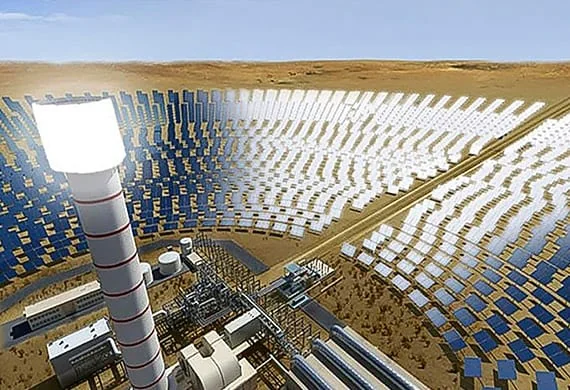
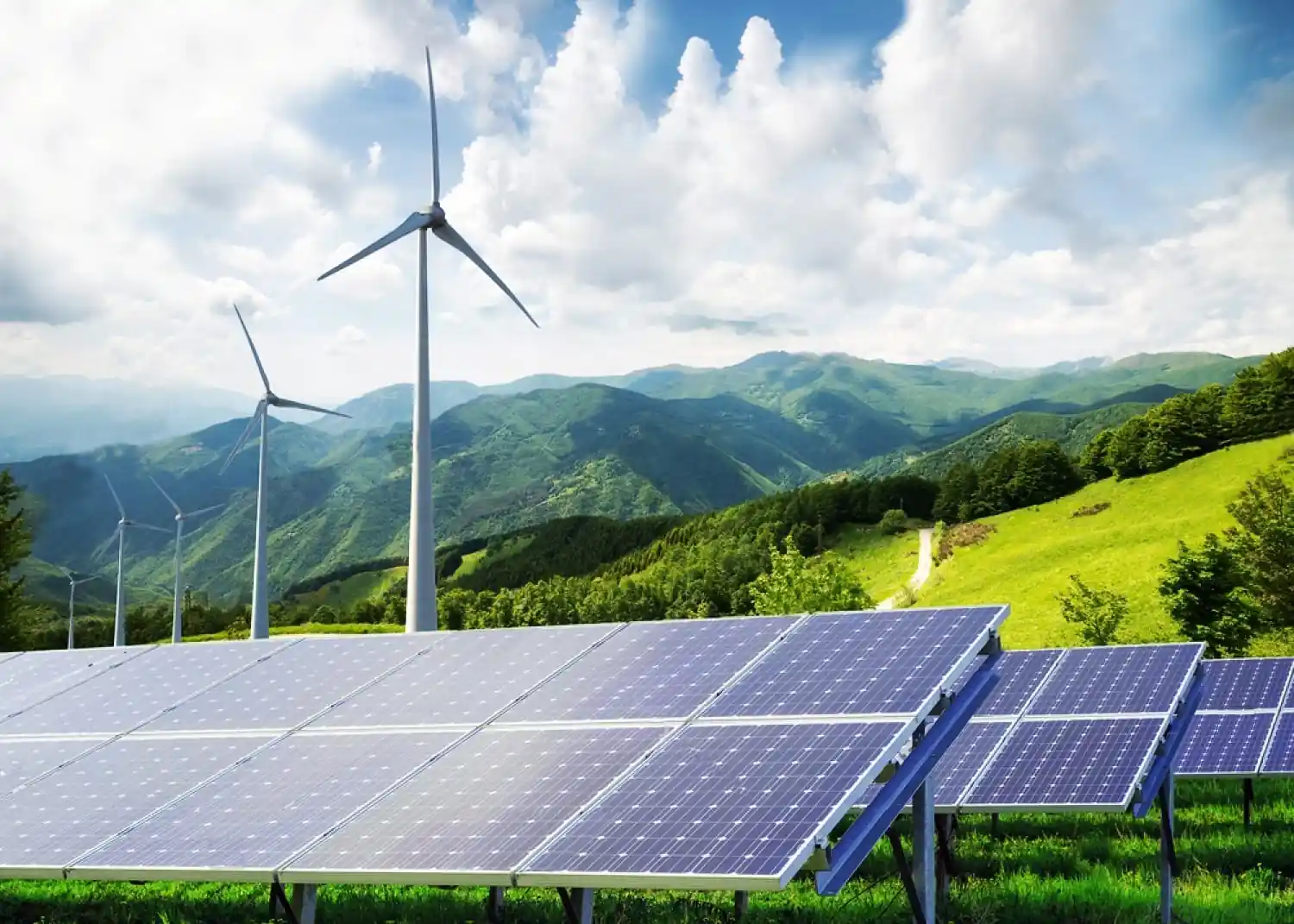
Post-Carbon Energy Systems
Modeling global energy architectures capable of sustaining industrial civilization after fossil fuels.
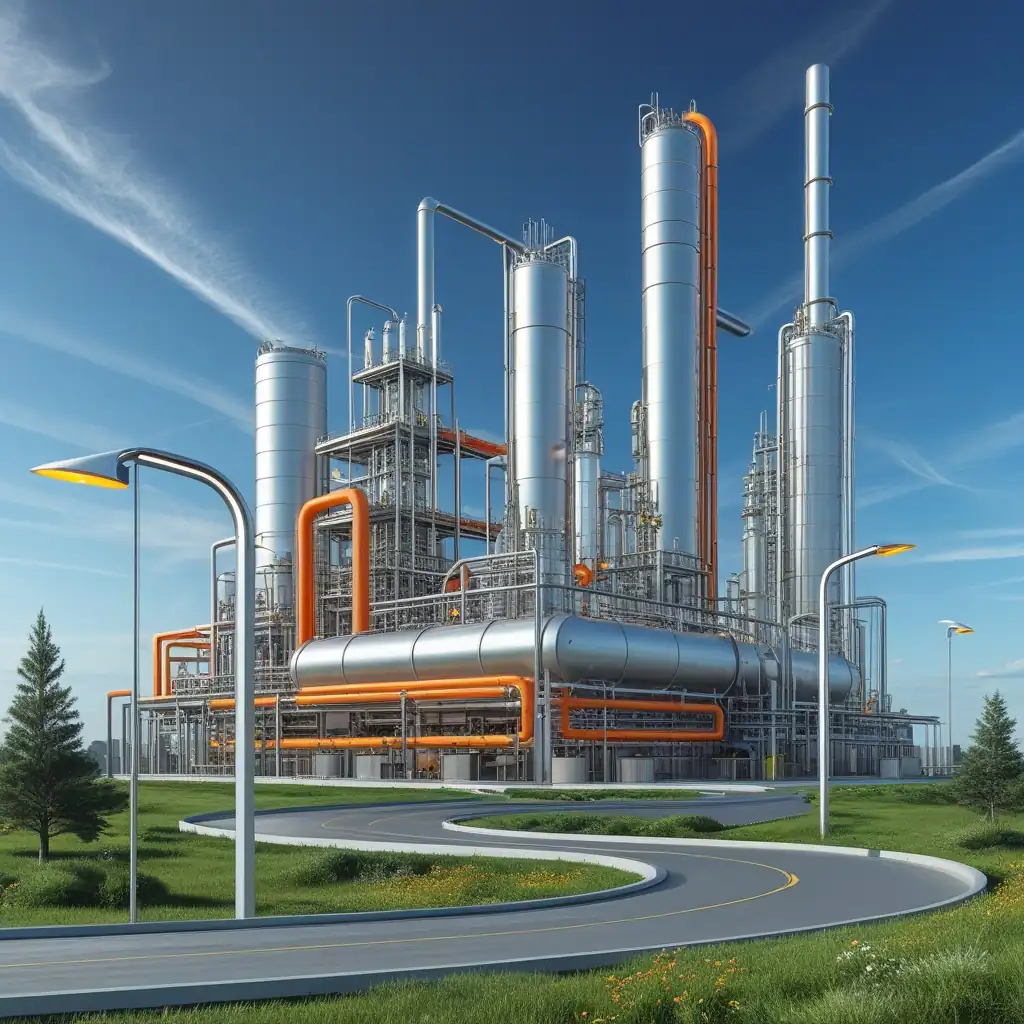
Advanced Mineral Processing & Strategic Metals
Engineering next-generation extraction and processing systems for critical minerals required for clean energy technologies.
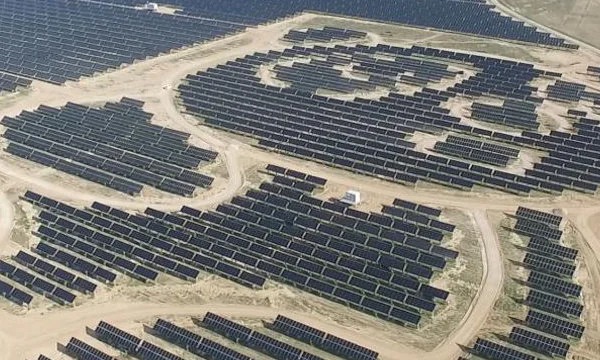
Petroleum in the Net-Zero Era
Scientific evaluation of whether hydrocarbon systems can operate under carbon-neutral frameworks using CCUS, synthetic fuels, and circular carbon economies.
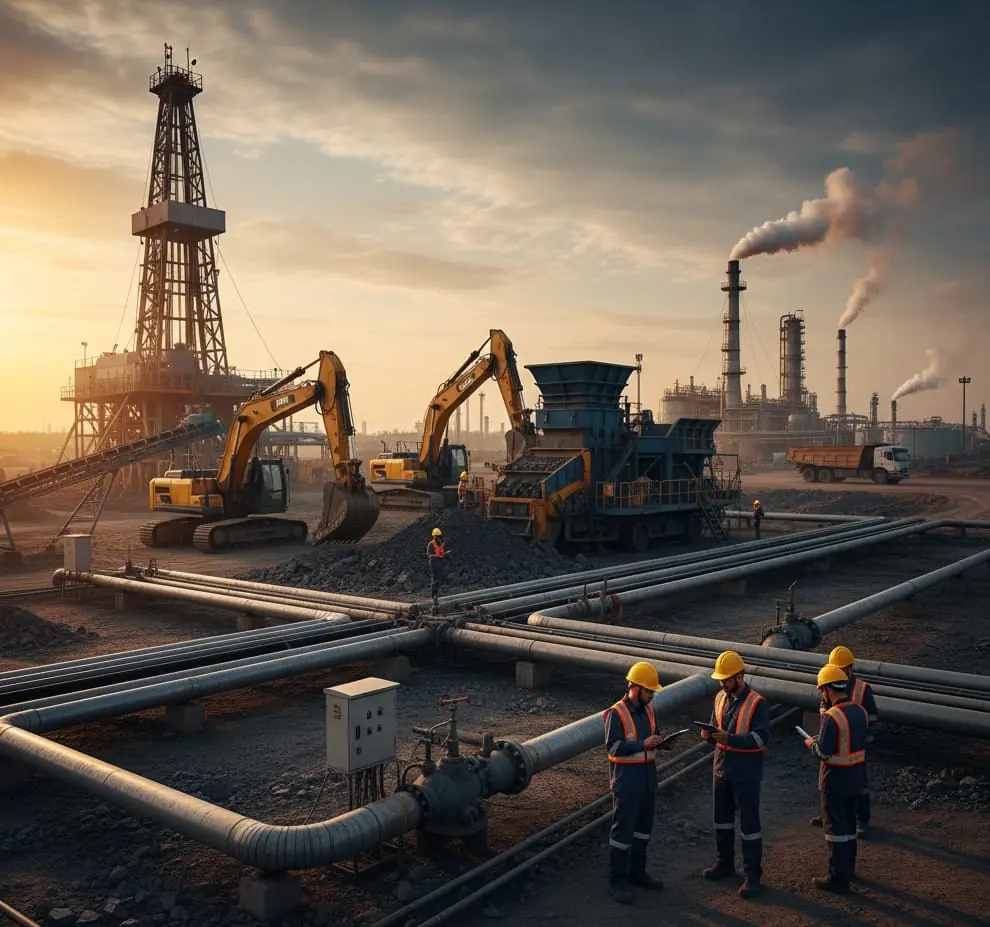
Resource Geopolitics & Security
Analysis of how mineral and energy distribution shapes global power structures.
Civilization-Scale Engineering
Design principles for infrastructure systems that must operate reliably for centuries.
Operationalising the Vision
Meet RIETM
Russell Integrated Energy Transition Model
The vision above doesn't stay abstract. It is encoded in a five-layer architecture — Fossil Optimization, Renewables, Storage, Carbon Management, and Digital Intelligence — integrated through a single Energy Data & Intelligence Spine.
RIETM is the operating model behind every advisory engagement, policy paper, and book chapter on this site.
Explore the Full Framework
Zero-Carbon Systems Research Agenda
A central pillar of Dr. Russell's work is the engineering feasibility of true zero-carbon civilization systems. Rather than treating net-zero as a political aspiration, he frames it as a systems engineering problem requiring coordinated solutions across energy generation, materials supply chains, industrial processes, and economic structures.
Framework Evaluates
He approaches net-zero not as a political target, but as an engineering constraint problem requiring integrated solutions across energy, materials, infrastructure, and economics.
His analytical models assess lifecycle emissions, infrastructure transition pathways, and capital efficiency to determine whether large-scale projects can remain viable under future global carbon constraints.